Managing projects effectively is crucial for success in any business. Two popular project management tools, Gantt charts, and Critical Path Method, are often used to plan and track project progress.
Both tools have their strengths and weaknesses, so it’s essential to understand the differences between them to choose the right one for your project needs.
Gantt Chart Vs Critical Path
Gantt Chart Vs Critical Path
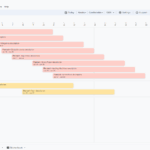
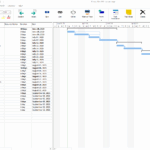
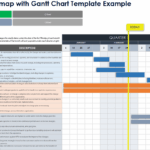
A Gantt chart is a visual representation of a project’s schedule, showing tasks, dependencies, and timelines. It helps in planning, scheduling, and tracking progress, making it easier to manage complex projects efficiently.
On the other hand, the Critical Path Method (CPM) focuses on identifying the longest sequence of dependent tasks that determine the project’s overall duration. It helps in identifying critical tasks that cannot be delayed without delaying the project.
While Gantt charts provide a comprehensive overview of the project timeline and task dependencies, CPM helps in identifying critical tasks and optimizing the project schedule for efficiency.
Ultimately, the choice between Gantt charts and Critical Path Method depends on your project requirements. If you need a visual representation of tasks and timelines, a Gantt chart is the way to go. If you need to identify critical tasks and streamline project schedules, CPM is the better option.
By understanding the differences between Gantt charts and Critical Path Method, you can choose the right project management tool to ensure the success of your projects.