Planning and managing projects can be a daunting task, especially when trying to decide between different methods to keep things on track. Gantt charts and Critical Path Method (CPM) are two popular tools used in project management to visualize and schedule tasks effectively.
Both Gantt charts and CPM have their strengths and weaknesses, so it’s essential to understand the differences between them to choose the right tool for your project. Let’s delve into the comparison of Gantt Chart Vs Critical Path Method to see which one suits your project needs best.
Gantt Chart Vs Critical Path Method
Gantt Chart Vs Critical Path Method
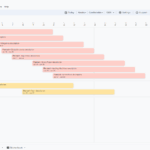
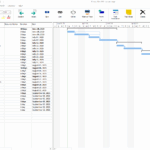
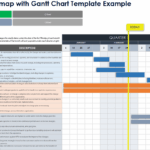
Gantt charts are visual representations of project schedules that show tasks, timelines, dependencies, and progress. They are great for tracking tasks, deadlines, and resource allocation, making it easy to monitor project status at a glance.
On the other hand, Critical Path Method (CPM) is a mathematical algorithm used to identify the longest sequence of dependent tasks and determine the shortest project duration possible. CPM helps identify critical tasks that could delay the project if not completed on time.
While Gantt charts provide a visual overview of project timelines and progress, CPM focuses on identifying critical tasks and optimizing project schedules for efficiency. Depending on your project requirements, you can choose to use either Gantt charts, CPM, or a combination of both for effective project management.
In conclusion, both Gantt charts and Critical Path Method have their unique advantages, and the choice between them depends on the nature of your project and the level of detail required for planning and monitoring. By understanding the differences between these two methods, you can make an informed decision to keep your project on track and achieve success.