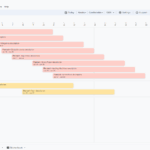
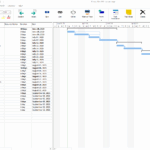
Planning a project can be a daunting task, especially when it comes to understanding all the jargon associated with project management tools. One such tool is the Gantt Chart, which is used to visually represent a project schedule.
Whether you’re a beginner or an experienced project manager, understanding Gantt Chart terminology is essential for effective project planning and communication.
Gantt Chart Terminology
Gantt Chart Terminology
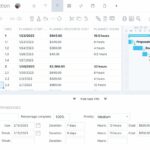
One key term in Gantt Chart terminology is “task.” Tasks are the individual activities that need to be completed within a project. Each task has a start date, end date, and duration.
Another important term is “milestone.” A milestone represents a significant event or achievement within a project. It does not have a duration and is used to mark key points in the project timeline.
Dependencies are also crucial in Gantt Chart terminology. Dependencies refer to the relationships between tasks. There are four types of dependencies: finish-to-start, start-to-start, finish-to-finish, and start-to-finish.
Understanding these terms will help you create accurate and detailed Gantt Charts that clearly outline project timelines, dependencies, and milestones.
Next time you’re working on a project, take the time to familiarize yourself with Gantt Chart terminology. It will make project planning smoother and communication more efficient.