Have you ever heard of a Gantt chart? If not, don’t worry – we’re here to break it down for you in a way that’s easy to understand. A Gantt chart is a visual representation of a project’s timeline, showing tasks, deadlines, and progress.
It’s a popular tool used in project management to keep track of what needs to be done and when. By using a Gantt chart, teams can stay organized, prioritize tasks, and ensure that projects are completed on time.
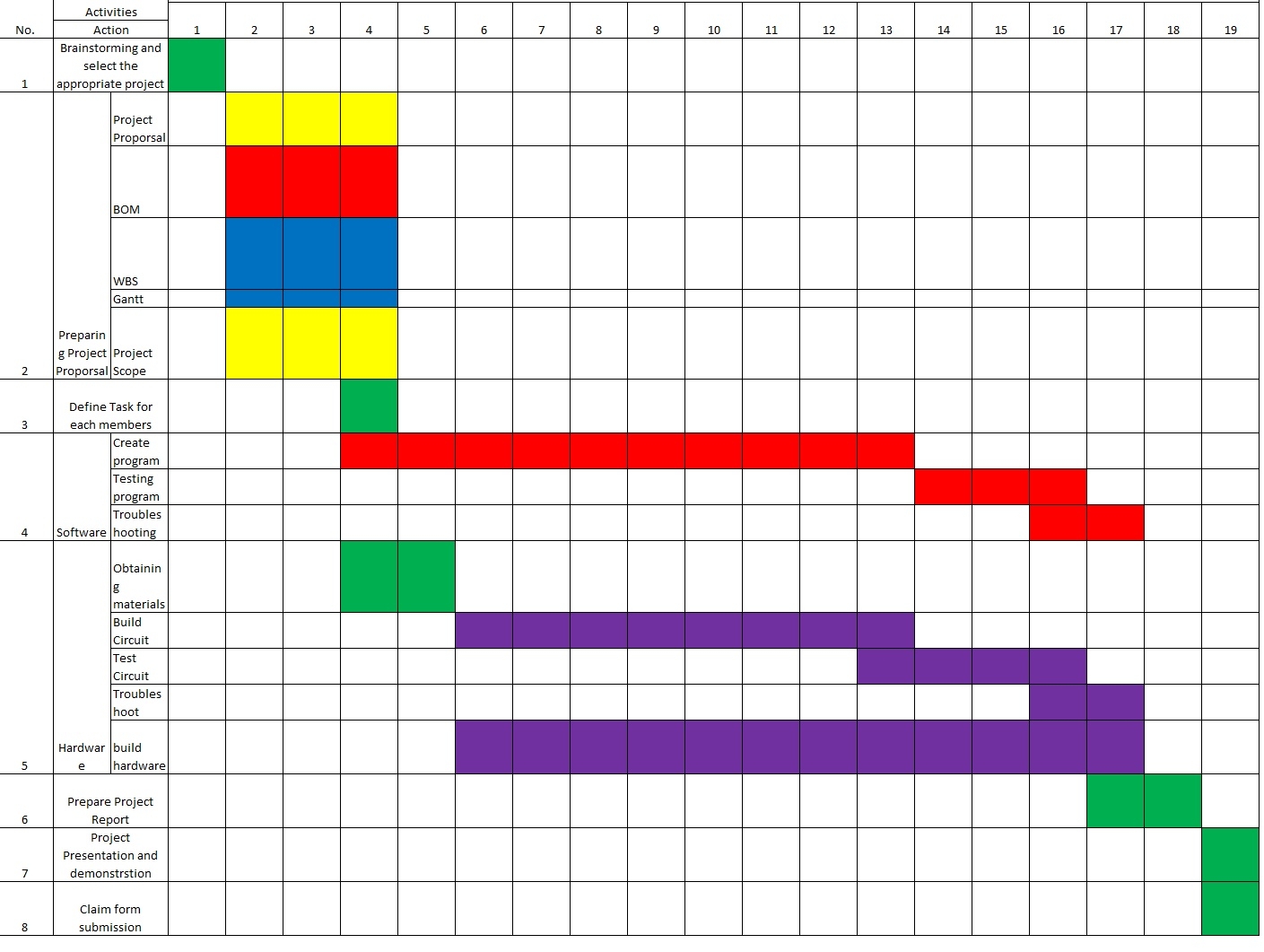
Gantt Chart Structure
Gantt Chart Structure
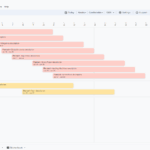
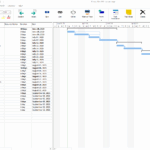
The structure of a Gantt chart typically consists of horizontal bars representing different tasks or phases of a project. Each bar is placed on a timeline, with the length of the bar indicating the duration of the task. Tasks are often color-coded to show dependencies and relationships.
Dependencies are important to consider when creating a Gantt chart, as they show which tasks are dependent on others and cannot begin until certain tasks are completed. This helps project managers identify potential bottlenecks and allocate resources effectively.
In addition to tasks and dependencies, Gantt charts can also include milestones, deadlines, and resources. Milestones are significant points in a project, such as the completion of a phase or the delivery of a key component. Deadlines help teams stay on track, while resource allocation ensures that tasks are assigned to the right people.
In conclusion, Gantt charts are a valuable tool for project management, providing a visual representation of tasks, deadlines, and progress. By understanding the structure of a Gantt chart, teams can effectively plan and execute projects, leading to successful outcomes.