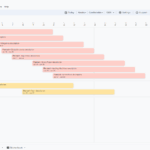
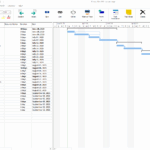
Have you ever wondered what makes up a Gantt chart? These visual tools are essential for project management and planning. By breaking down complex projects into manageable tasks, Gantt charts help teams stay on track and meet deadlines.
Understanding the key elements of a Gantt chart can make a big difference in how you use them effectively. Whether you’re new to project management or a seasoned pro, knowing these components will help you create and manage your projects more efficiently.
Gantt Chart Elements
Gantt Chart Elements
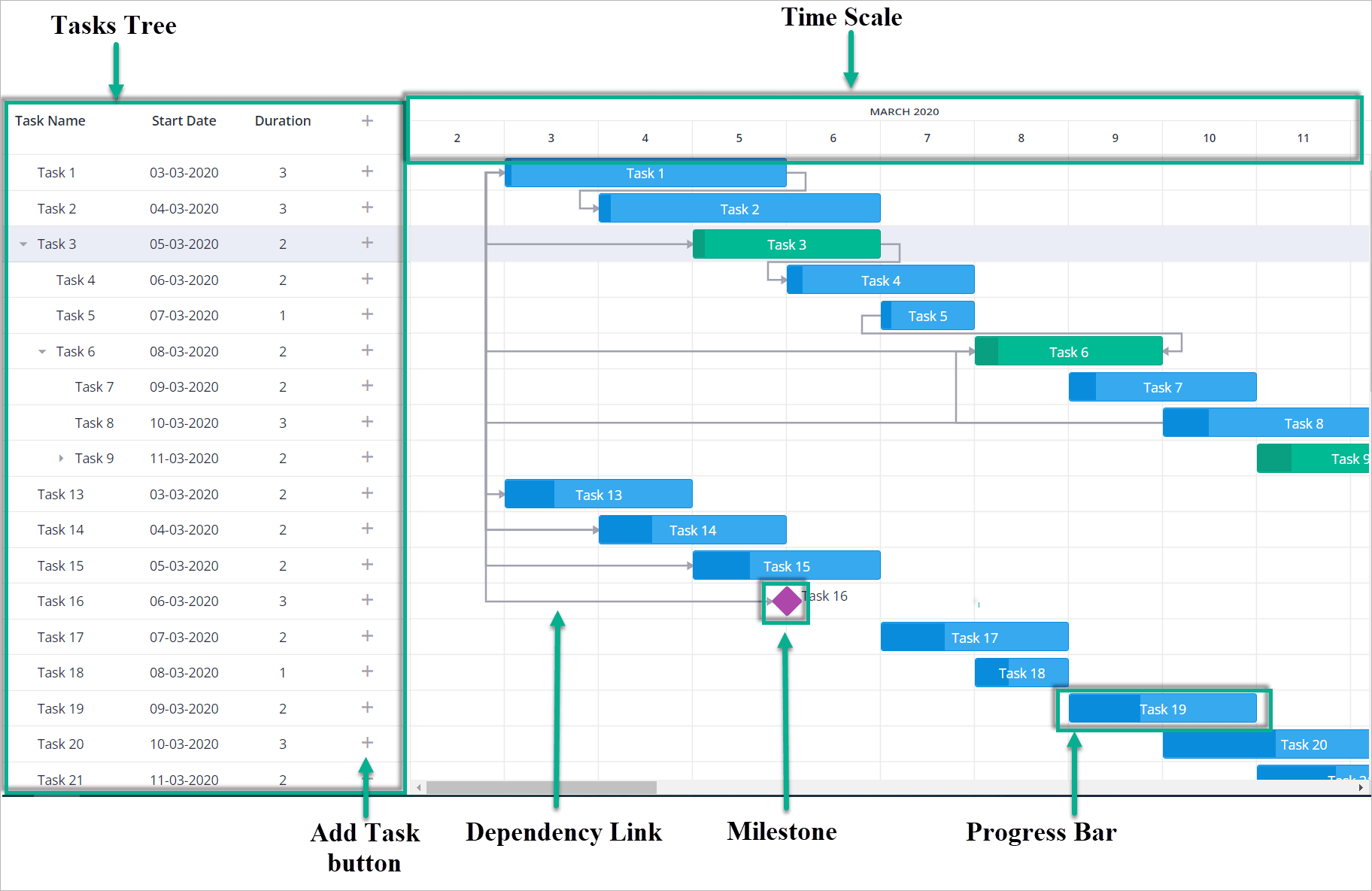
1. Tasks: The backbone of any Gantt chart, tasks represent the specific actions that need to be completed to achieve project goals. Each task is assigned a duration and start date to create a timeline for the project.
2. Milestones: These are significant points in a project that mark the completion of a major phase or deliverable. Milestones help teams track progress and celebrate achievements along the way.
3. Dependencies: Tasks in a Gantt chart are often interconnected, meaning that the completion of one task depends on the successful completion of another. Understanding these dependencies is crucial for effective project planning.
4. Resources: Assigning resources to tasks ensures that team members are clear on their responsibilities and availability. This helps prevent overloading team members and ensures that tasks are completed on time.
5. Timeline: The timeline of a Gantt chart provides a visual representation of the project schedule, showing when tasks are scheduled to start and finish. This helps teams stay organized and on track to meet project deadlines.
Next time you’re working on a project, consider using a Gantt chart to keep things on track. By understanding the key elements of a Gantt chart, you can effectively plan, manage, and complete your projects with ease.