Planning a project can be a daunting task, but with the help of a Gantt chart, things can become much more manageable. This visual representation of a project’s timeline and tasks can streamline the planning process and keep everyone on the same page.
Whether you’re a project manager or a team member, understanding the elements of a Gantt chart is essential for effective project management. From tasks and timelines to dependencies and milestones, each element plays a crucial role in keeping the project on track.
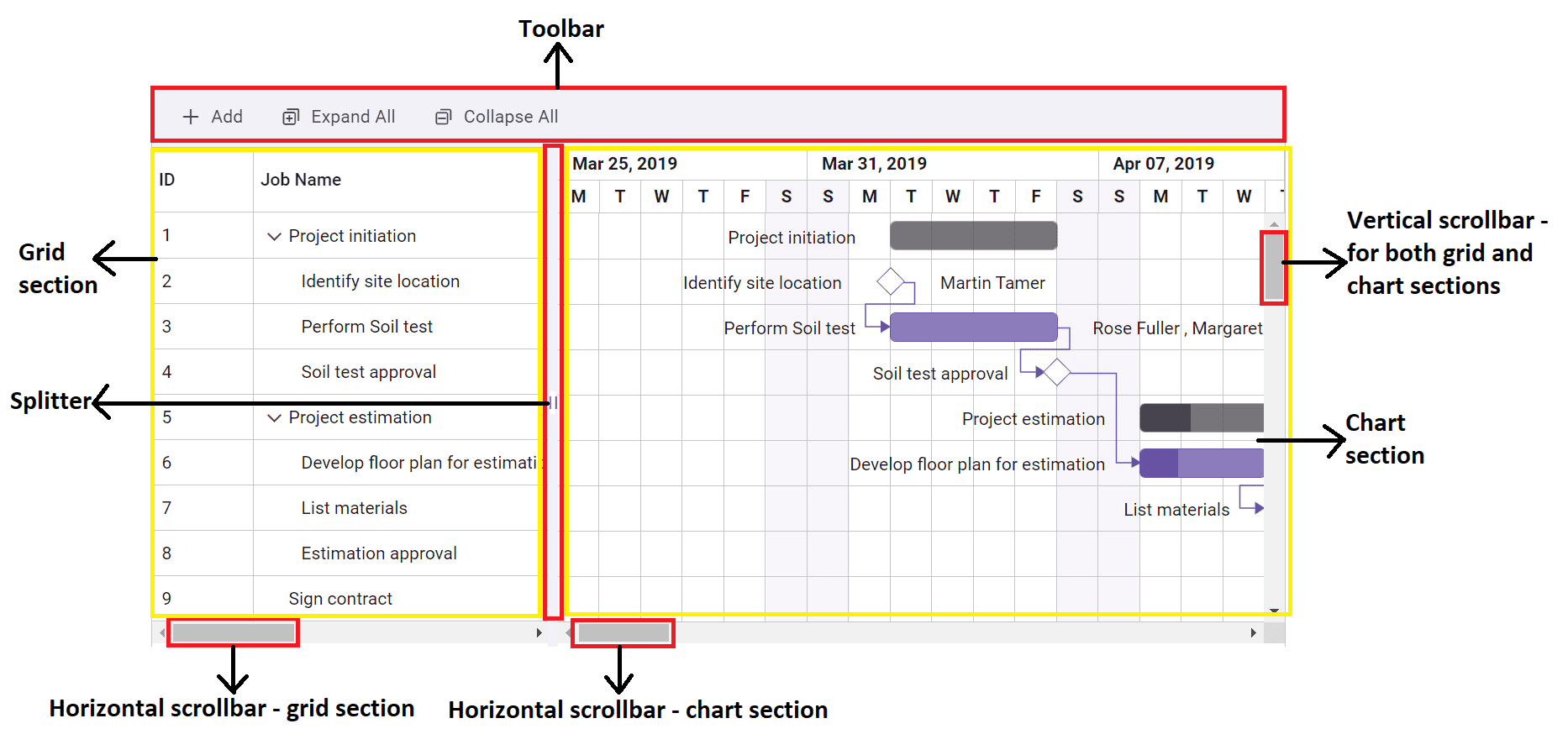
Elements Of Gantt Chart
Elements Of Gantt Chart
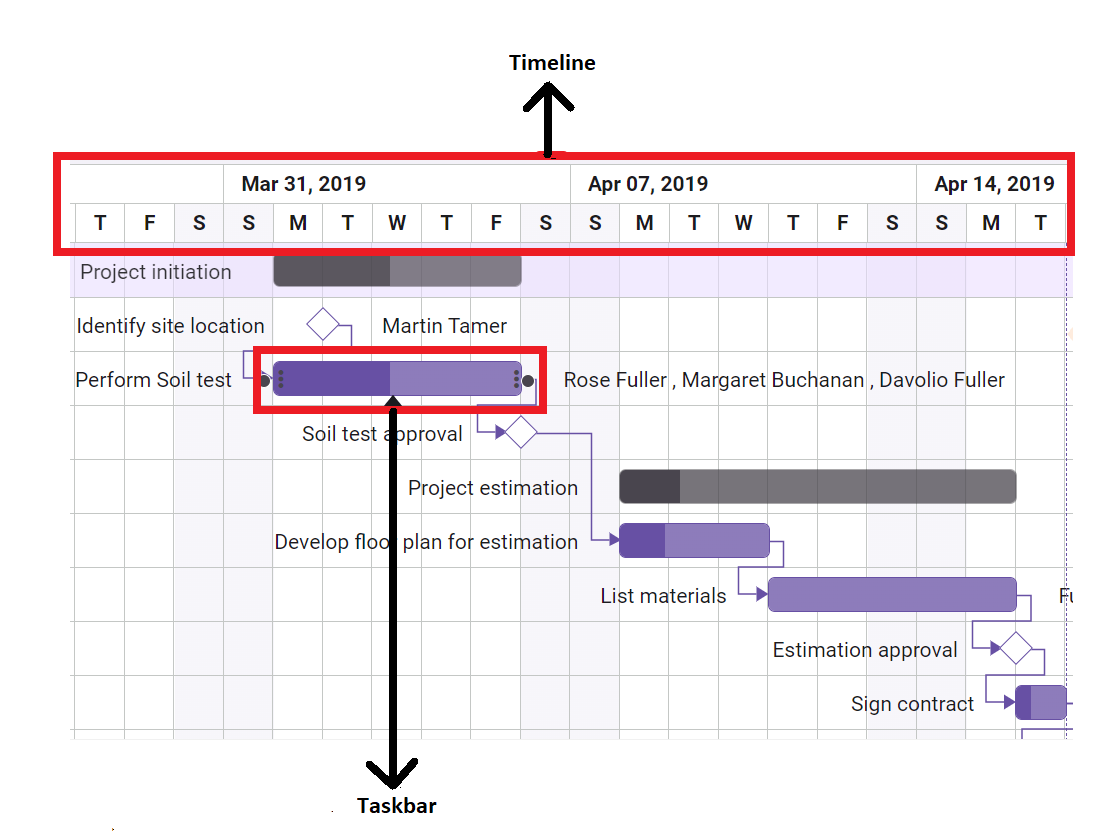
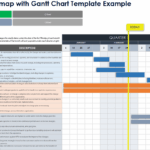
Tasks are the building blocks of a Gantt chart, representing the work that needs to be done. Each task is displayed as a bar on the chart, with its length corresponding to the time it will take to complete.
Timelines are another key element, showing when each task is scheduled to start and finish. By visualizing the project timeline, team members can see how tasks overlap and identify potential bottlenecks.
Dependencies are the relationships between tasks, indicating which tasks must be completed before others can start. By mapping out dependencies, project managers can ensure that tasks are completed in the correct order to avoid delays.
Milestones are significant points in the project timeline, such as the completion of a major task or the project’s overall deadline. By highlighting milestones on the Gantt chart, teams can track progress and stay motivated to meet key deadlines.
In conclusion, mastering the elements of a Gantt chart is essential for successful project management. By understanding tasks, timelines, dependencies, and milestones, teams can create a clear roadmap for completing projects efficiently and effectively.