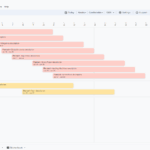
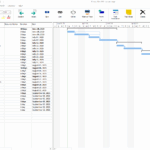
Planning and managing projects can be challenging, but tools like Gantt charts can help streamline the process. They provide a visual representation of tasks, deadlines, and dependencies, making it easier to track progress and stay on schedule.
However, like any tool, Gantt charts have their drawbacks. It’s important to be aware of these disadvantages to make an informed decision about whether they are the right fit for your project management needs.
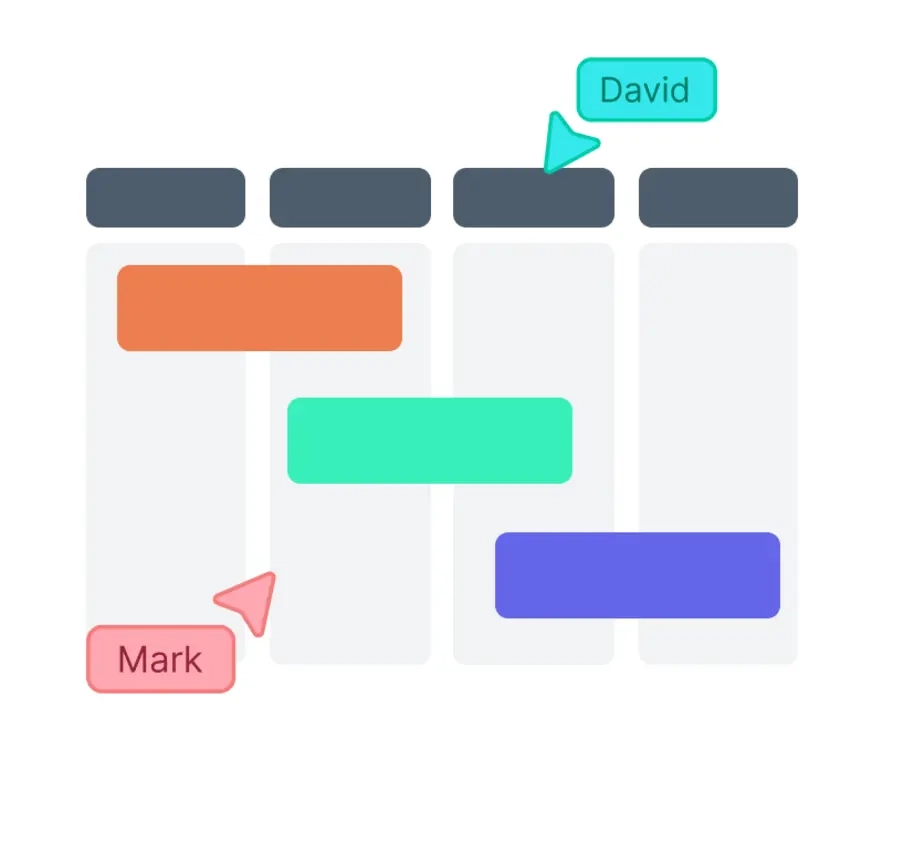
Disadvantages Of Gantt Chart
Disadvantages Of Gantt Chart
One of the main disadvantages of Gantt charts is their complexity. Creating and maintaining a detailed Gantt chart can be time-consuming, especially for large, complex projects. It requires careful planning and constant updates to ensure accuracy.
Another drawback is the lack of flexibility. Gantt charts are linear and rigid, making it difficult to make changes on the fly. If unexpected delays or changes occur, it can be challenging to adjust the timeline and resources accordingly.
Additionally, Gantt charts can create a false sense of security. While they provide a clear visual representation of tasks and deadlines, they may not account for unforeseen obstacles or delays. This can lead to overconfidence in the project timeline and potential setbacks down the line.
In conclusion, while Gantt charts can be a valuable tool for project management, it’s essential to consider their limitations. By understanding the disadvantages of Gantt charts, you can make more informed decisions about how to effectively plan and execute your projects.